 The Lord of the Rings trilogy of movies is a favorite for our family. We’ve watched all three movies in one marathon day-long adventure several years back, as well as watching one each night for three nights in a row the first summer we moved to the desert.
When the Lego Lord of the Rings video game was released in November of 2012, I knew it would be a hit as a family Christmas gift. It could be played individually or in a team of two. The graphics were phenomenal, and compared to some of the other Lego video games, the challenges were difficult yet attainable with patience and time. My husband took a whole week off for Christmas break that year, and each of the kids played for hours on end with him. Though I’m normally just an observer, I even joined in occasionally.
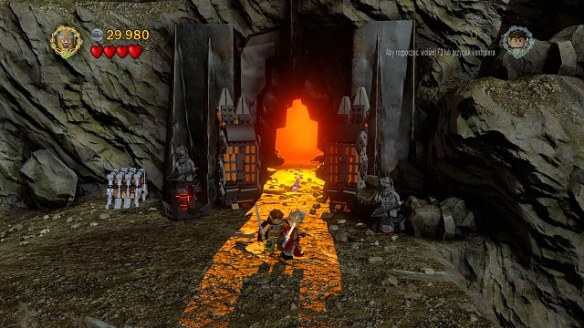
Up in the left corner of the screen, you can see your character’s health status indicated by the four red hearts. When all four are illumined, you’re at full health. As you lose health, the number of lit-up hearts decreases. When the last heart dims, you lose that life and all your coins or studs spill out all over the screen. Your character re-energizes quickly, and you have a chance to chase down your lost coins before they disappear.
We don’t have icons for emotional heart health in our real lives, but we can assume that as people traverse through the game of life, heart health ebbs and flows through the course. Sometimes we’ve got four, deep red, radiant hearts and all the coins. Sometimes, we’re down to one heart shining dimly, just waiting for the blow that knocks us out of commission. We can only hope we’ll regenerate quickly enough to recover the majority of our lost coins. What seems consistently true is that everyone experiences damage. No one can participate in the game without taking hits. The best players learn from their mistakes, and figure out how to conquer the obstacle without losing all their heart health in the process.
In our recent trip back north, I had opportunity to have lunch or coffee with several longtime friends, all moms and all people of faith. As we shared stories of our lives and experiences, I was reminded that there is no recipe for a damage-free life. Being a person of faith doesn’t prevent you from struggling for excitement in your marriage, or stop your children from inflicting self harm, or preclude you or your family members from experiencing illness or adversity.
Damage is universal. We all have damage. We all will have damage. Some damage can be prevented or postponed, but some is inevitable. And unlike in the Lego video games where you automatically reanimate after being damaged, in real life, when all the heart health is gone, your character won’t immediately rebound. We will not always recover right away. We may lose all or most of our coins.
When playing Lego Lord of the Rings as a team, if one player loses all their hearts and coins, the other player can gather up the coins while the first player regains their hearts and comes back to life. It softens the blow of the loss. Relationship is often the best prescription for real life damage as well. Working together as a team of two (or more since real life isn’t limited by video game parameters) can help one regather some of the lost coins and regroup to move past the challenge presented.
 Sometimes I feel pretty alone, with all my hearts extinguished, and all my coins spilling to the far reaches of the screen. They blink enticingly, hoping I’ll make it in time to scoop them up before they disappear. It is those times I am thankful for relationships. No one can fix my damage. I can’t fix theirs either. But we can help each other pick up our coins and wait while heart health is regained. Then we can try again, together, to reach the next level.


You must be logged in to post a comment.