
Maturity = The state, fact, or period of being mature
Mature = Fully developed, full-grown
(Latin) Maturus = Timely, Ripe
In psychology, maturity is the ability to respond to the environment in an appropriate manner. Maturity also encompasses being aware of the correct time and location to behave and knowing when to act, according to the circumstances and the culture of the society one lives in.
Wechsler, David “Intellectual Development and Psychological Maturity”
Child Development, Vol. 21, No. 1, March 1, 1950
Advances in neuroscience, particularly in the past 10-20 years continue to refine the definition of human maturity based on the full development of the brain’s frontal lobe, which is the part of our brain that “controls important cognitive skills in humans, such as emotional expression, problem solving, memory, language, judgment, and sexual behaviors. It is, in essence, the “control panel” of our personality and our ability to communicate.”
It’s been a long time since I studied biology, and I needed a refresher course on the brain and whether the prefrontal cortex is the same as the frontal lobe. Socratic.org is an app (and website) where you can type in any question and get homework help with science, math, humanities, and more. Here’s their response to my question:
What is the difference between the prefrontal cortex and frontal lobe?
Answer:
Prefrontal cortex is a part of frontal lobe.
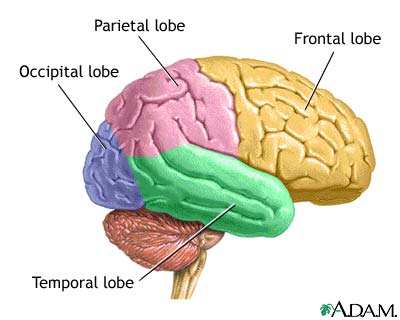
The prefrontal cortex covers the front of the frontal lobe and is part of the cerebral cortex, the wrinkly surface of the brain, gray matter, that has lots of folds so it has more surface area than would fit in the brain if it were just flat, increasing its power to process information.
The brain matures from back to front, ending with the prefrontal cortex. The process of maturation includes the myelination of the brain’s nerve fibers, providing insulation so neurons can send their signals effectively to develop more complex functioning, which is then streamlined through synaptic pruning, a process where synapses are selectively eliminated to promote efficiency. Synaptic pruning continues until the brain is fully developed, likely in the mid-20s. Increased connectivity advances during brain maturation which makes communication between brain regions stronger, facilitating better planning, dealing with emotions, and problem solving. Executive functioning develops primarily through the prefrontal cortex, and includes skills that allow us to assess risk, regulate emotions, evaluate ourselves, plan ahead, and make goals. The maturation process begins in the teenage years but is not complete until into the 20s or beyond in some cases.
Brain maturation occurring in this order serves a positive evolutionary purpose in human beings and other social mammals by encouraging separation from the natal family which decreases the chances of inbreeding and encourages independent survival skills. We want our children to separate from us and become able to fend for themselves, and it is in part through normal brain development that this can occur, during the time when their brains are in the maturing process, when they are willing to take risks, seek novelty, and shift allegiances to their peers.
At the same time, in policy-making and in parenting, it seems important to notice the drawbacks of too much autonomy too early for young adults. Mature brains think using the rational prefrontal cortex, which is more equipped to respond with good judgement and an awareness of long-term consequences. Young adult brains process information with the amygdala, the part of the brain involved with emotions. The connectivity between the decision-making part of the brain and the emotional center has not solidified yet, and they often develop at different speeds, therefore young adults are more likely to make emotional decisions rather than rational ones.
Healthy, mature functioning of the prefrontal cortex involves the ability to project future consequences resulting from current actions. The ability to wait for a reward is one of the key pieces that define optimal executive function of the human brain.
It’s interesting to note that ADHD typically occurs as a neurological dysfunction in the prefrontal cortex and also tends to affect executive functioning including “impulse control problems, learning from past errors, lack of forethought, and procrastination,” and some people with Autism Spectrum Disorders appear to have either damage to or minor atrophy of the prefrontal cortex. ASD and ADHD also have a high comorbidity (the simultaneous presence of two conditions in a patient) and share some clinical features such as social difficulties, atypical attention patterns, and executive dysfunction. Individuals with either or both ASD and ADHD also have higher occurrences of gender nonconformity and gender dysphoria, as I noted in Causes? Correlations; Conclusions…, and according to a December 2017 article, gender dysphoria’s neurobiological hallmark is a disconnect between the neuronal circuits in the frontal, occipital, and parietal lobes that process the perception of self and body ownership.
Both of my twins have diagnoses for ADHD, one has an ASD diagnosis while the other has elevated traits of ASD, both are dealing with gender dysphoria, and they are only 19 years old. Any one of these facts about them might give one pause to consider the role of brain maturity and healthy functioning in their decision making. That both twins are dealing with all of these characteristics brings up questions of how these factors are intertwined and what best practice would actually be for addressing the many needs they experience due to them.
I’m not saying I have the answers. I just want to know if anyone else out there is asking the questions.



You must be logged in to post a comment.